
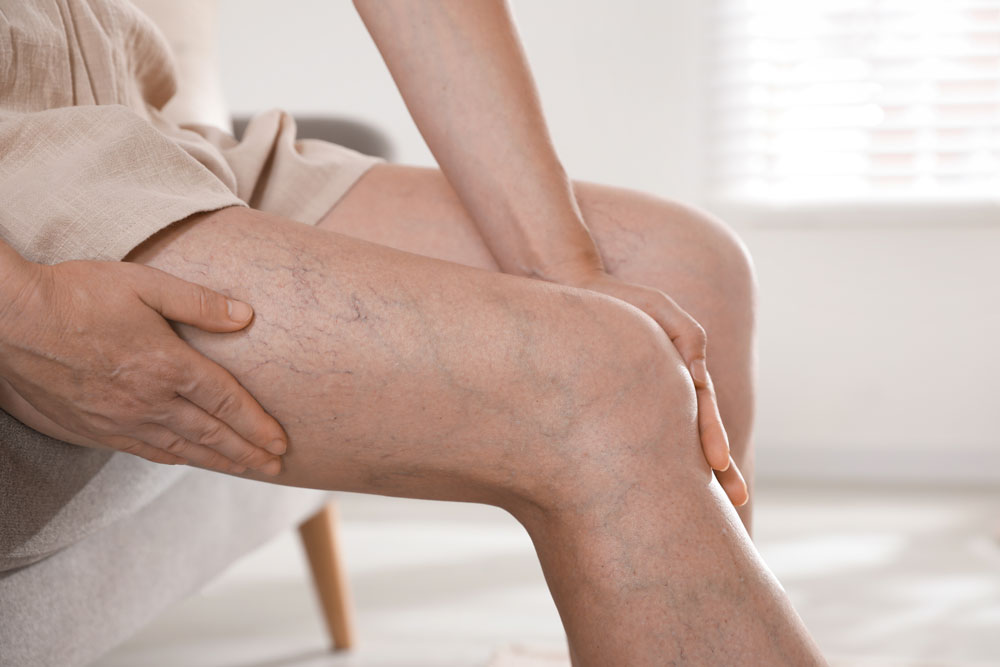
Many people live with vein symptoms for years without realizing there are effective medical options available. Although visible veins may start as something that bothers you cosmetically, they can gradually become a daily discomfort that affects your health and quality of life. Understanding when vein issues cross the line from nuisance to medical condition is critical.
At VENUS Vein Clinic, patients often arrive after months or even years of ignoring early warning signs. The good news is that modern vein treatment options are minimally invasive, highly effective and designed to fit into busy lifestyles. Below are five common signs that it may be time to see a vein specialist and explore your treatment options.
How to Identify Vein Problems Before They Worsen
Healthy veins move blood efficiently back to your heart. When vein valves weaken or fail, blood can pool in your legs, leading to increased pressure, swelling, and visible changes in the veins. This condition, known as chronic venous insufficiency, does not usually resolve on its own.
Early evaluation matters because vein disease is progressive. Addressing your symptoms sooner often means simpler treatment, faster recovery and better long-term outcomes. Look for the following indications your veins need medical attention.
Sign One: Visible Varicose Veins That Are Increasing in Size
Varicose veins are enlarged twisted veins that commonly appear on the legs. While not every visible vein requires intervention, veins that continue to darken or become more prominent are often a sign of underlying venous reflux.
As pressure builds inside the vein, the vessel walls stretch, and the internal valves become less effective. Over time, this can lead to aching heaviness and swelling, particularly after prolonged standing or sitting. Seeking vein treatment at this stage can prevent further progression and reduce daily discomfort.
Modern treatment options such as radiofrequency ablation, Varithena and VenaSeal ablation are designed to close problematic veins and restore healthier circulation without surgery.
Sign Two: Persistent Leg Pain, Heaviness or Fatigue
Leg discomfort that worsens throughout the day is one of the most common reasons patients seek a vein specialist. Many describe the sensation as aching, throbbing heaviness or a deep fatigue that does not improve with rest.
These symptoms often intensify in the evening or after prolonged standing. They may temporarily improve when your legs are elevated. While compression stockings may offer short-term relief, they do not address the root cause.
Vein treatment improves blood flow and reduces pressure within your veins, helping relieve pain and restore comfort.
Sign Three: Swelling in Your Legs, Ankles or Feet
Chronic swelling, especially around your ankles or lower legs, is a significant warning sign. Fluid accumulation occurs when blood pools in the veins and leaks into surrounding tissues.
Swelling related to vein disease may be subtle at first but often becomes more noticeable over time. Your shoes may feel tighter by evening, and indentations from your socks may linger in your skin.
Without treatment, ongoing swelling can contribute to skin changes and increased risk of serious complications. A vein specialist can determine whether your swelling is related to venous insufficiency and recommend appropriate vein treatment options.
Sign Four: Skin Changes, Discoloration or Irritation
Changes in skin color or texture around your ankles or lower legs should never be ignored. Brownish discoloration, redness, dryness or thickened skin can all signal advanced vein disease.
These changes occur when prolonged pressure causes red blood cells to break down in the tissue, leading to pigmentation and inflammation. In more advanced cases, open sores or venous ulcers may develop.
Addressing vein disease before skin damage progresses is essential. Treatments such as Venaseal ablation or radiofrequency ablation can reduce pressure in the affected veins and protect your skin.
Sign Five: Spider Veins That Keep Returning
Spider veins are often viewed as a cosmetic issue, but recurrent spider veins can indicate deeper venous problems. When underlying reflux is not addressed, surface veins may continue to reappear even after cosmetic treatment.
Sclerotherapy is highly effective for treating spider veins and smaller varicose veins. However, long-lasting results depend on identifying and treating the source of the problem. A comprehensive evaluation allows a vein specialist to create a treatment plan that addresses both appearance and circulation.
If spider veins are spreading, worsening or accompanied by other symptoms, it may be time to explore medical vein treatment rather than cosmetic care alone.
Why You Should See a Vein Specialist
Vein disease is often misunderstood or underestimated because symptoms can appear gradually and may seem cosmetic at first. However, visible veins are only part of the picture.
Without proper diagnosis, vein disease can continue to progress even if surface veins are treated. This is why symptoms may return or worsen over time when underlying issues are not addressed. Early evaluation allows for more targeted and effective vein treatment, which often makes care simpler and leads to better long-term outcomes.
If you recognize any of the signs discussed above, scheduling a consultation with us is a proactive step toward protecting your leg health and restoring long-lasting comfort.
Take the Next Step Toward Healthier Legs
Vein symptoms often develop gradually. It may be easy to dismiss them at first. Over time, however, untreated vein issues can lead to increasing discomfort, swelling, heaviness and visible skin changes that affect your appearance and your health. Many patients are surprised to learn that these symptoms can be signs of an underlying vein condition that is highly treatable.
Today’s minimally invasive options are performed in the office with little downtime. If you are ready for clear answers and real relief, schedule a vein evaluation with VENUS Vein Clinic in Omaha, NE to discuss your symptoms and next steps.